

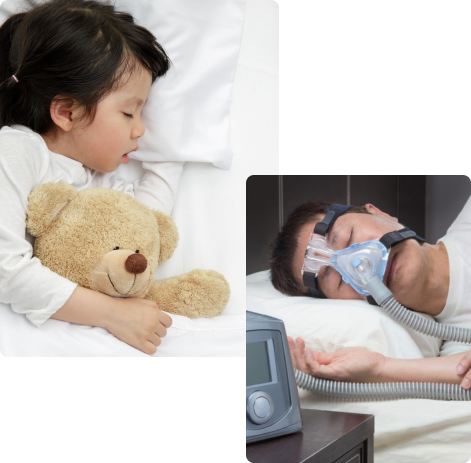

Research indicates that sleep-related breathing disorders in children including mouth breathing, snoring, upper airway resistance syndrome, and obstructive sleep apnea—are often underestimated public health challenges. These conditions have profound effects on children’s development, behavior, and learning. Yet, related care remains fragmented across dental, medical, and educational systems.
Hello Smile Hong Kong is dedicated to bridging these sectors by building an interdisciplinary, community-based platform that connects families, schools, and healthcare professionals. Together, we promote healthy breathing, quality sleep, and confident smiles. Through early detection, prevention, and education, every child can breathe better, sleep peacefully, and grow up healthy.
Hello Smile Hong Kong is dedicated to bridging these sectors by building an interdisciplinary, community-based platform that connects families, schools, and healthcare professionals. Together, we promote healthy breathing, quality sleep, and confident smiles. Through early detection, prevention, and education, every child can breathe better, sleep peacefully, and grow up healthy.

“More Than Just Snoring? Oral Health Plays a Key Role in Sleep Apnea”
What is Dental Sleep Medicine?
Dental sleep medicine is a specialty that explores the relationship between oral and facial structures and sleep disorders. According to the American Academy of Dental Sleep Medicine (AADSM), this field focuses on using oral appliances to treat sleep-related breathing disorders, such as snoring and obstructive sleep apnea (OSA). These conditions can disrupt daily life and, if left untreated, may lead to serious health risks.

Diagnosis and Treatment Options
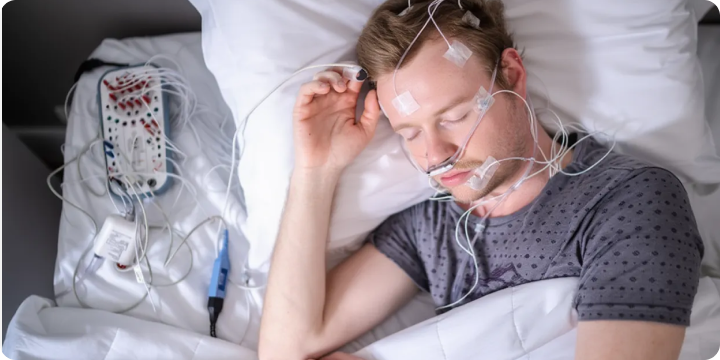
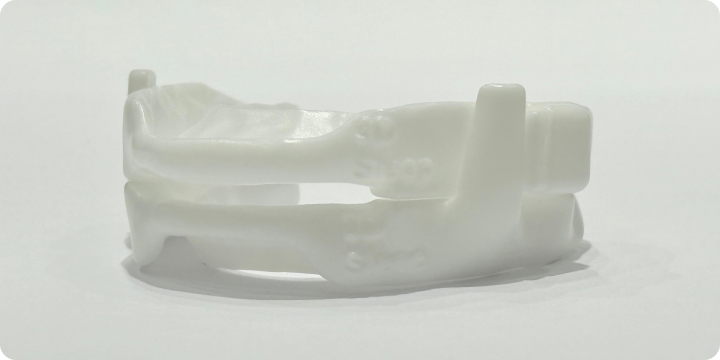
Diagnosis typically involves a detailed medical history, along with comprehensive examinations of the oral cavity, jaws, and upper airway. Sleep studies (such as polysomnography) and imaging tests (such as CT or MRI scans of the head and neck) are often used to assist diagnosis. Treatment options include oral devices like mandibular advancement appliances, tongue-retaining devices, or soft palate lifters. Orofacial myofunctional therapy is also commonly used. In more complex cases, specialists may collaborate with other medical professionals, incorporating continuous positive airway pressure (CPAP) therapy or surgical intervention.
The Benefits of Oral Appliances
Using oral appliances can significantly reduce snoring, improve sleep quality, and lower risks linked to sleep apnea, jaw pain, and temporomandibular joint disorders.

The Importance of Early Intervention in Children
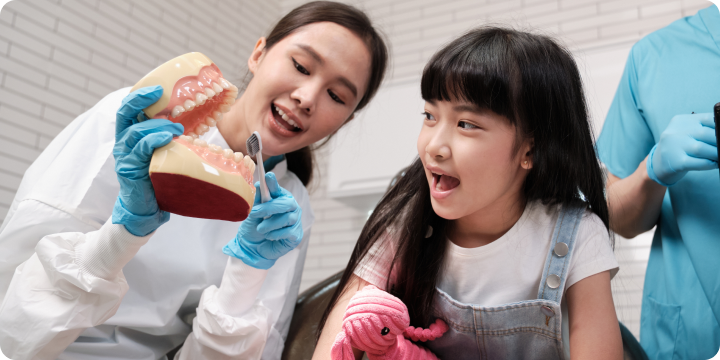
Beyond treating existing issues, early intervention in children’s oral and facial development can reduce the future risk of sleep-disordered breathing. Problems such as airway obstruction, mouth breathing, or tongue-tie can affect dental and jaw growth—leading to narrow arches, crowded teeth, or underdeveloped jaws—and may also contribute to hyperactivity or attention difficulties (ADHD). These issues can influence a child’s overall growth, development, and well-being.
A Collaborative Approach to Care
Dental sleep medicine specialists—often dentists with advanced training—work closely with pediatricians, ENT doctors, and other healthcare professionals to diagnose and manage sleep-related breathing disorders. This collaborative approach ensures that children receive the best possible care suited to their unique needs.

Looking Ahead: The Future of Sleep Health
As the field continues to evolve, ongoing research deepens our understanding of how oral and facial structures influence sleep health. The goal is to deliver personalized, effective treatments that bring relief and restore better sleep and quality of life for children and families alike.



Follow Us

© hellosmile HK 2026. All right reserved.

